
Article Insight
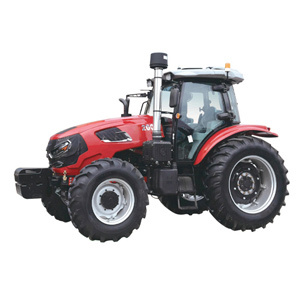
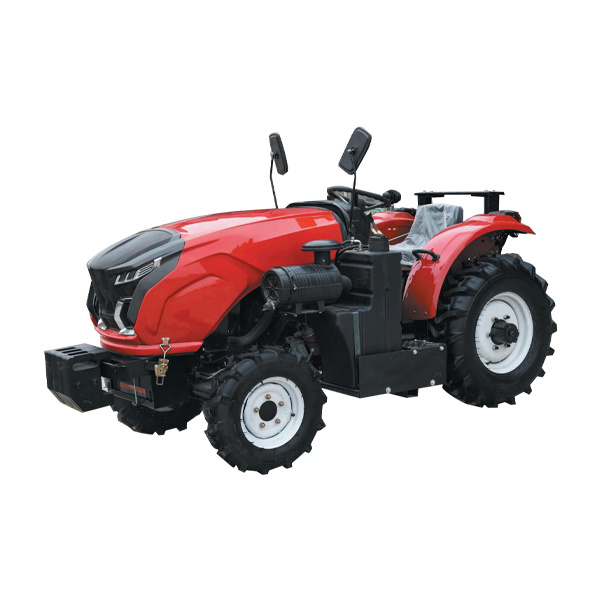
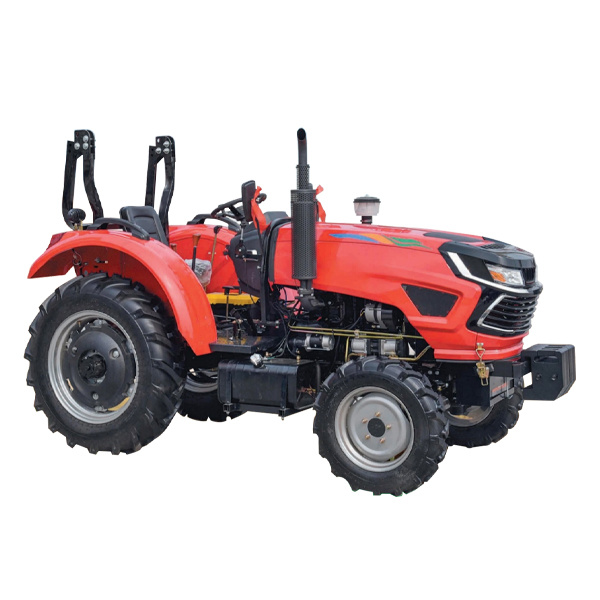
2WD and 4WD tractors serve different traction budgets. This article compares configurations for dry land, orchards, greenhouses, hills and road transport so buyers do not overpay for drive type they rarely use.
2WD and 4WD in real field work
Two-wheel drive transmits power through the rear axle only; four-wheel drive engages the front axle when slip is detected or manually selected. The choice changes tire wear, turning behavior and fuel consumption. Market preference varies — some regions default to 4WD for resale value even on flat land.
When 2WD is enough
Flat dry land, road transport, loader work on firm yards and light rotary tillage often run fine on 2WD with proper ballast. Initial cost and mechanical simplicity help rental fleets and training schools. 504/604 platforms in 2WD configuration are popular where traction demand is predictable.
When 4WD pays back
Hills, clay after rain, loader cycles on loose soil and heavy drawbar loads benefit from front axle assist. 4WD reduces rut depth in orchards during wet bloom periods. 704/804 and 904/1004 series are commonly quoted in 4WD for mixed farms and export markets with variable weather.
Application-based decision guide
List your steepest slope, worst soil day and heaviest implement. If more than one scenario needs front drive, specify 4WD on the purchase order. Crawler tractors remain the option for chronic soft-ground customers instead of forcing oversized 4WD wheeled units.
Conclusion
Quote both drive types where regulations allow, but recommend honestly per application. Document tire size and ballast on the spec sheet to avoid disputes after delivery. Contact FREEPILOT for side-by-side spec comparison on the same horsepower class.
Key Takeaways
Steepest slope and worst traction day
Primary tillage and transport share
Resale preference for 4WD in your market
Tire size and ballast plan
Crawler alternative for soft ground